 Arminia Bielefeld Hub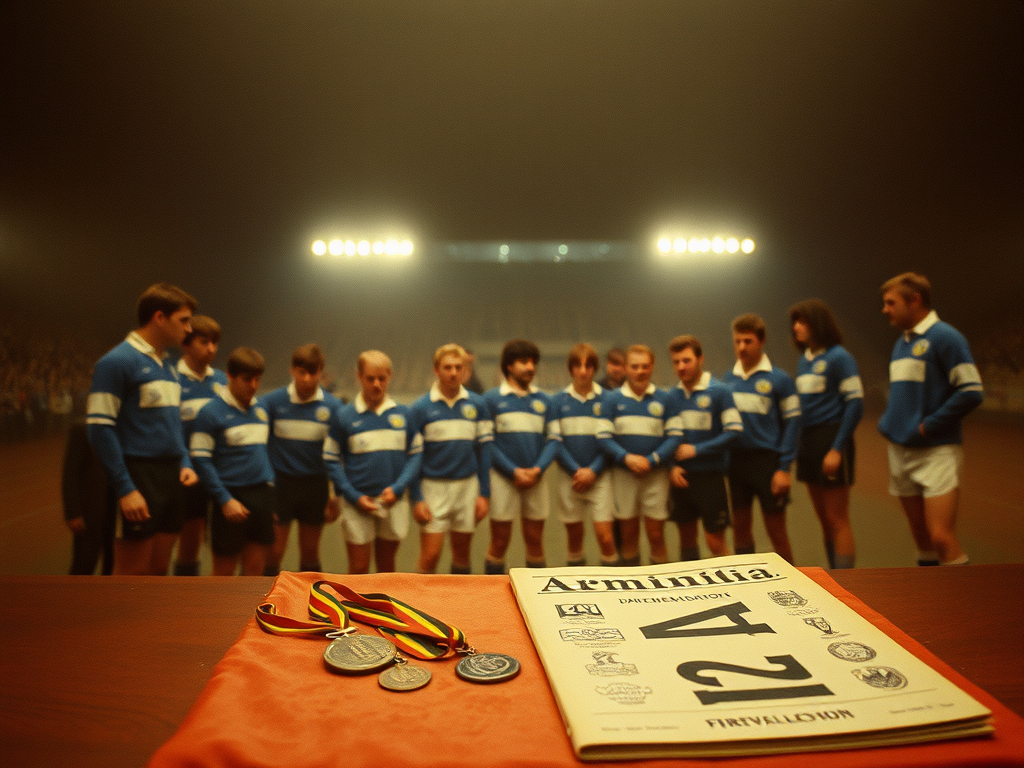
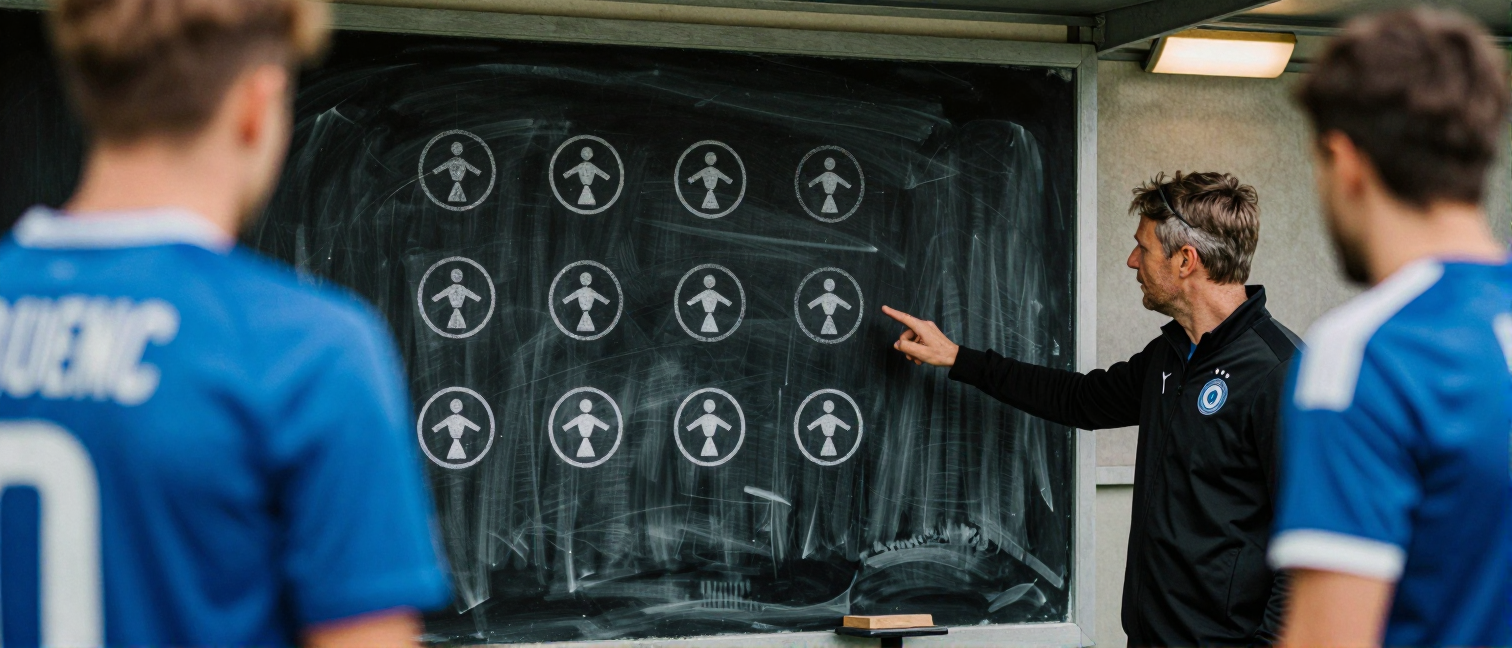
The years from 1970 to 1975 mark a pivotal phase in the history of Arminia Bielefeld. After several years languishing in the lower tiers of the league, the club managed to break free from its plight and initiate an impressive upward trend. Under the management of Rudi Gutendorf, the team experienced a tactical evolution based on an offensive and attractive style of play.
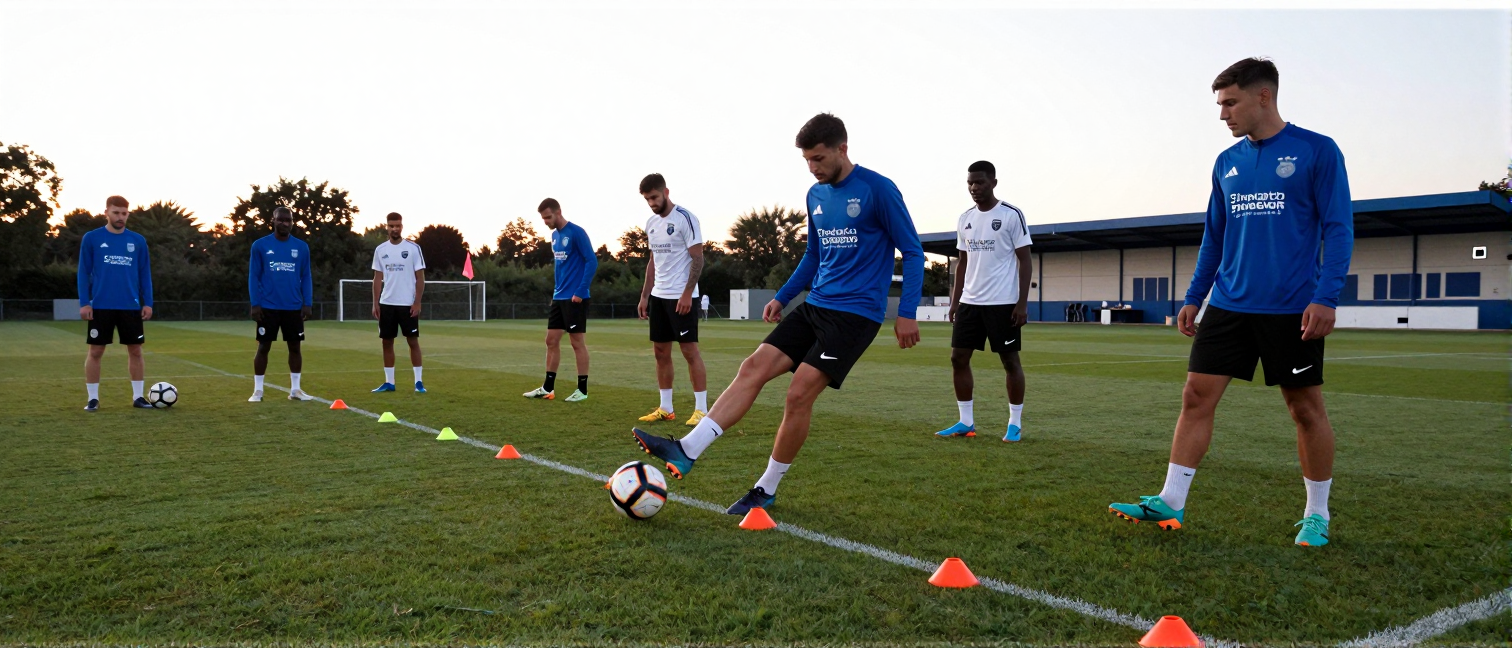
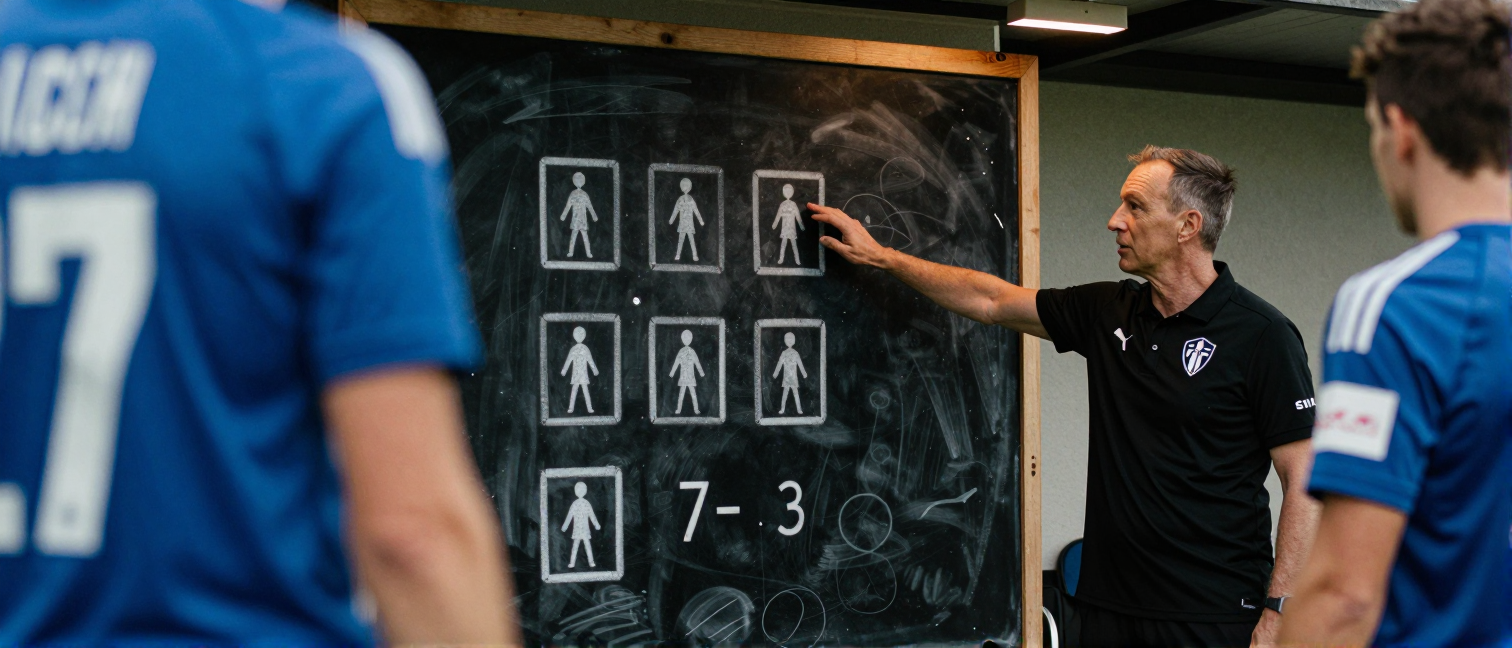
Gutendorf, a pioneer of modern German football, implemented innovative training methods and fostered the development of young talents. Players like Klaus Fischer and Jürgen Wegmann were instrumental in establishing the team in the Regionalliga Nord. Their technical skills and ability to score goals were crucial to the club's resurgence.
A highlight of this era was the 1974/75 season, in which Arminia Bielefeld achieved promotion to the Bundesliga. This was not only a sporting success but also a cultural milestone for the city of Bielefeld. The promotion brought a new identity for the fans and solidified the bond with the team.
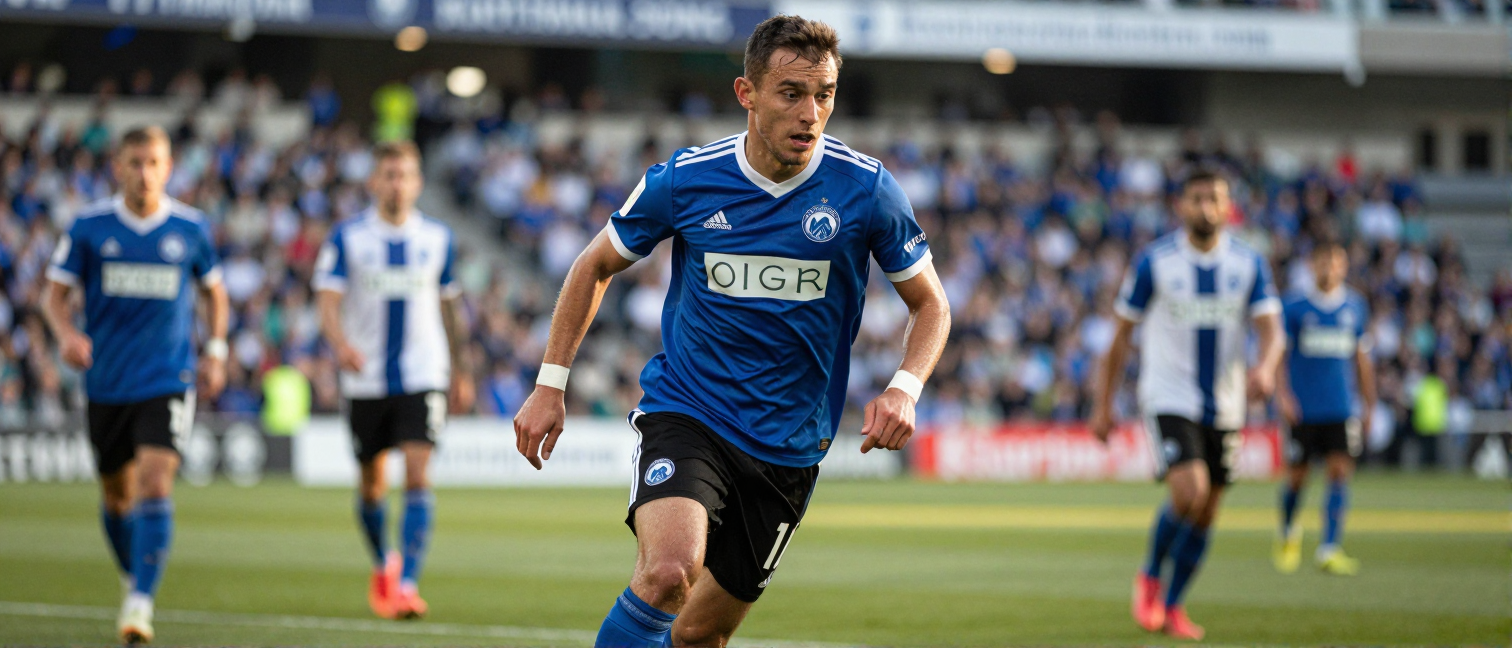
The atmosphere in the stadium was electrifying, and the support from loyal followers was a vital factor in the team's success. Every match became a celebration, with fans passionately singing for their team. This unwavering backing helped the players surpass themselves and shine in crucial moments.
The revolution of Arminia Bielefeld in the 1970s was not just a tactical realignment. It was a testament to faith in the team and the determination to tackle the challenges of football. These years laid the groundwork for the successes of the coming decades and demonstrate how crucial team spirit and innovation are in football. The story of Arminia Bielefeld during this time remains a shining example for all who believe in the dream of surpassing boundaries and achieving greatness.