 Arminia Bielefeld Hub
Tactical Evolution: Assessing Arminia Bielefeld's Recent Form and Future Adjustments
As the season progresses, Die Arminen have shown flashes of brilliance interspersed with moments of vulnerability. Recent matches have revealed both strengths and weaknesses in their tactical setup, prompting a closer examination of their current form and potential adjustments that could elevate their game.
Current Tactical Setup
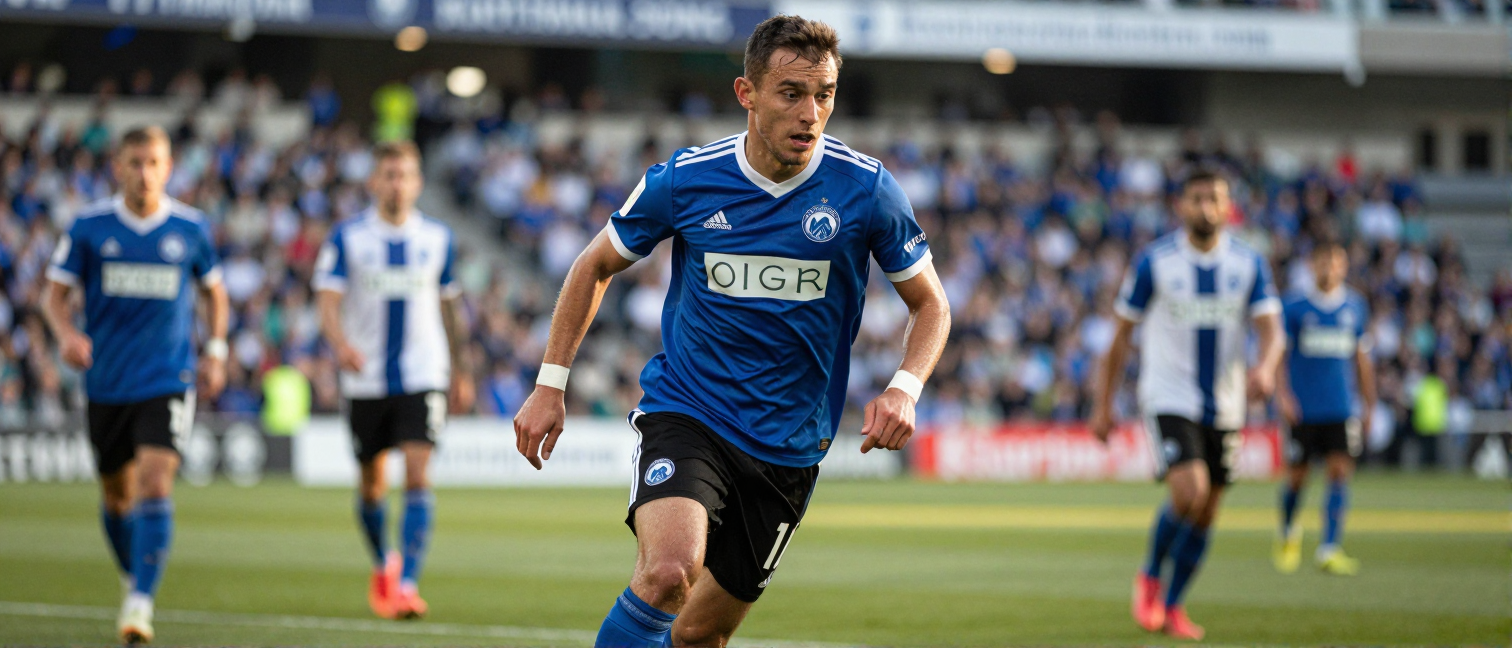
Arminia Bielefeld has primarily operated in a 4-2-3-1 formation, which offers a solid defensive base while allowing for attacking flexibility. The two holding midfielders provide necessary cover for the backline, but this setup can sometimes lead to a lack of dynamism in the transition play. One notable positive aspect has been the interplay between the attacking midfielders and forwards, with players like J. Grodowski and S. Schreck finding pockets of space to exploit.
However, in recent weeks, opponents have begun to scout this formation, effectively neutralizing Arminia's attacking threats. The team has struggled against sides that press high, resulting in turnovers in dangerous areas. This pressing has highlighted a need for tactical evolution, particularly in how the midfield transitions to attack.
Suggested Tweaks
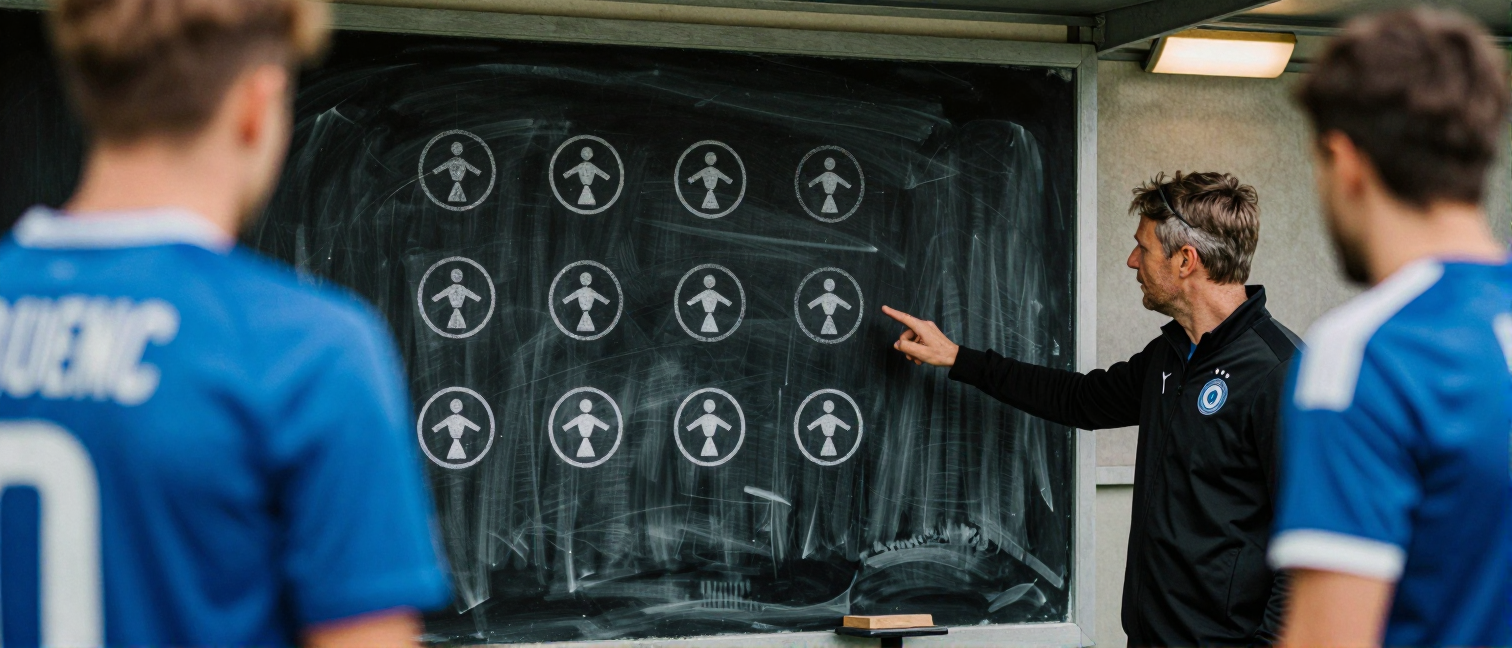
1. Adopting a 4-3-3 Formation: Transitioning to a 4-3-3 formation could provide more width and allow for a more aggressive pressing game. By employing three central midfielders, Arminia would have greater control in the middle of the pitch, enabling them to dictate the tempo of the game. This formation also allows for wingers to stretch the opposition, creating more one-on-one opportunities.
2. Increased Fluidity in Attack: Encouraging attacking players to interchange positions could disrupt defensive structures of opponents. Flexibility among forwards and attacking midfielders would exploit mismatches, particularly against teams that rely on rigid defensive shapes. Implementing a rotational system can keep defenders guessing and create openings that can be capitalized on.
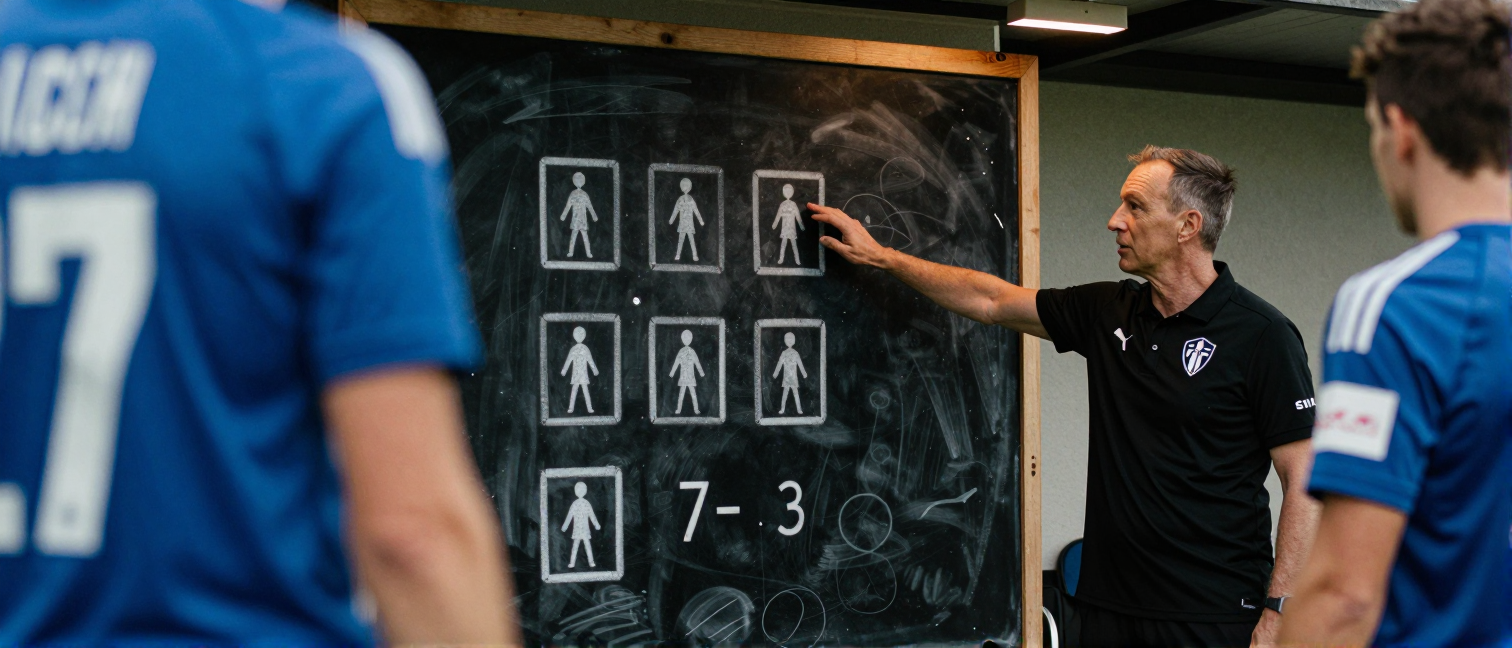
3. Enhanced Defensive Coordination: While the 4-2-3-1 provides defensive stability, the team must work on better coordination between the midfield and defensive lines to prevent gaps from forming. This could involve more communication drills during training sessions, focusing on maintaining a compact shape while retaining the ability to press the opposition when the situation allows.
4. Utilizing the Full-Backs More Effectively: Full-backs have often been underutilized in recent matches. By encouraging them to push higher up the pitch and overlap with wingers, the team can create overloads on the flanks. This tactic not only stretches defenses but also provides additional crossing opportunities into the box, where strikers can exploit defensive lapses.
5. Incorporating Set-Piece Variations: Set-pieces have been a strong facet of Arminia's game, but there is potential for further innovation. Introducing varied routines for corners and free-kicks could catch opponents off guard. This might involve rehearsing different movements and options that can be deployed based on the opposition's setup.
Conclusion
As Arminia Bielefeld looks to navigate the remainder of the season, embracing tactical evolution will be crucial. The suggested tweaks may help the team not only solidify their defensive organization but also enhance their attacking prowess. With a blend of strategic adjustments and player development, Die Arminen can aim for a more successful campaign, steering clear of relegation battles and aiming for a mid-table finish.