 Arminia Bielefeld Hub
Adjusting the Formation: Tactical Refinements for Arminia Bielefeld
Arminia Bielefeld, known for their resilient spirit and tactical discipline, has experienced a mixed bag of results in their recent outings. While their commitment and ability to adapt are commendable, certain tactical refinements could help the team gain a crucial edge in the league. Here’s an in-depth look at their current approach and suggested tweaks that could elevate Die Arminen's performance in the coming weeks.
Current Tactical Overview
At the moment, coach Uwe Neuhaus has primarily deployed a 4-2-3-1 formation, which has shown flashes of effectiveness, particularly in controlling the midfield. However, recent matches have highlighted some weaknesses, particularly in transitioning from defense to attack. The reliance on wing play has been evident, but opposing teams have quickly adapted, leading to a stagnation in offensive output.
The midfield duo of Bauer and Schuster has been pivotal in breaking up opposition play, but they often find themselves overrun when the team loses possession. This has led to counter-attacks that exploit the space left behind. The full-backs, while providing width, have also been caught high up the pitch, leaving gaps in defense that can be exploited.
Suggested Tweaks
1. Transition to a 4-3-3 Formation
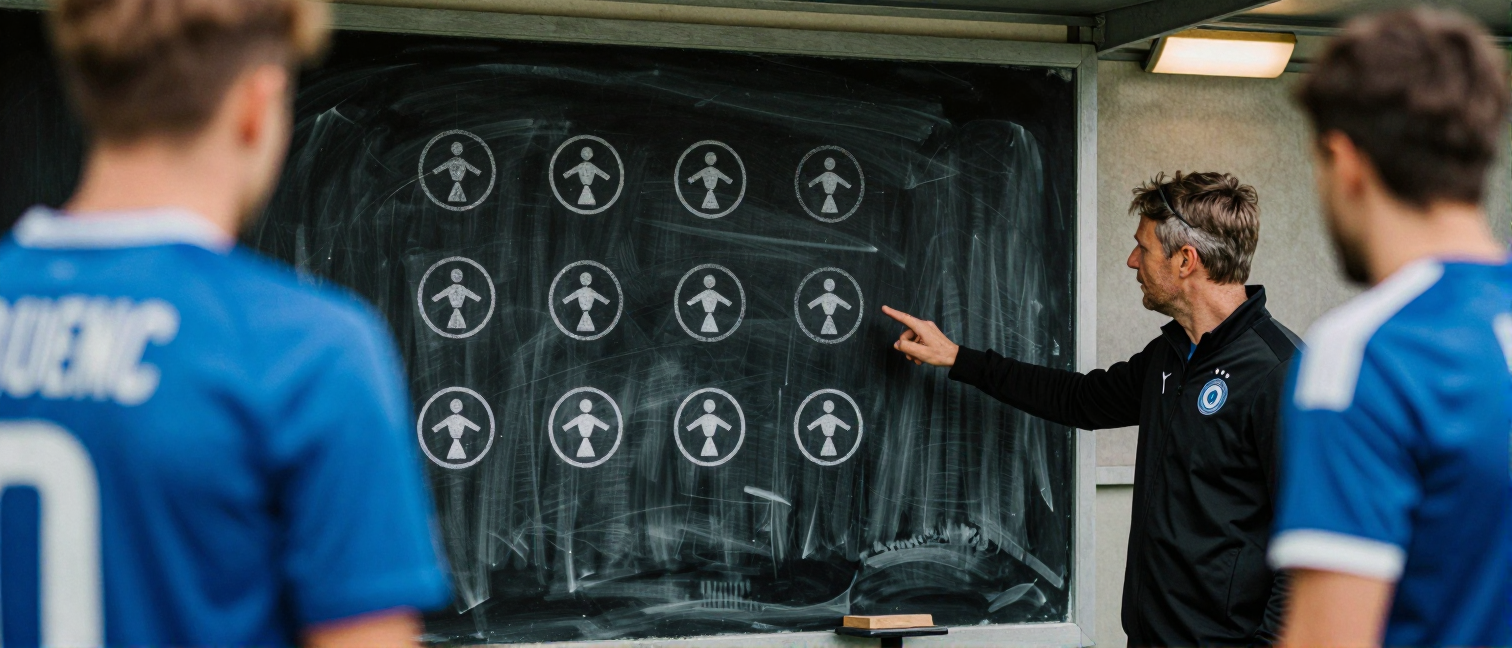
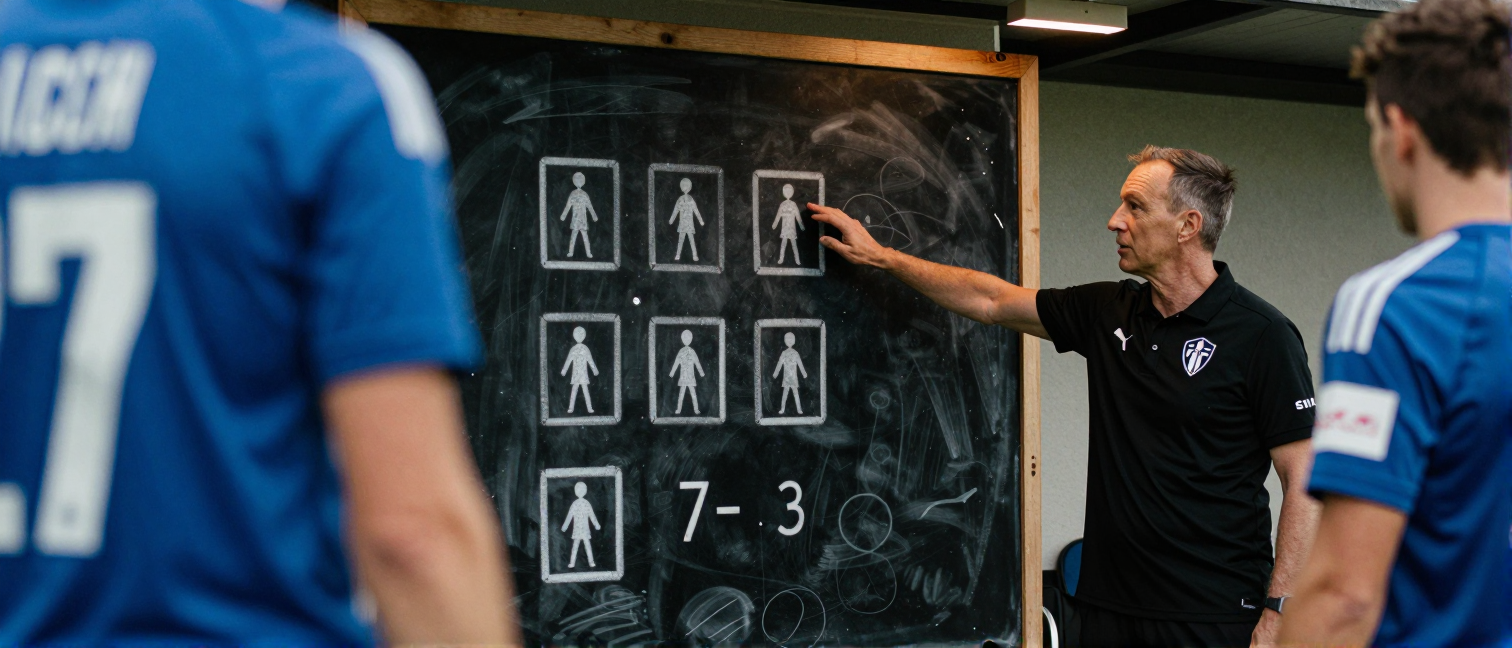
One potential adjustment is shifting to a 4-3-3 formation. This would allow for more midfield presence, helping to control the game better and providing additional support for both the defense and attack. By utilizing three midfielders, the team can maintain possession more effectively and transition quickly into offensive plays.
In this setup, the inclusion of a more attacking midfielder, perhaps J. Grodowski, could provide the necessary creativity to unlock opposition defenses. His ability to make runs into the box would complement the wingers, creating more scoring opportunities.
2. Enhanced Pressing Strategy
Implementing a higher pressing strategy can also help regain possession quickly and disrupt the opposition's build-up play. By encouraging forwards like Klos and Hofmann to initiate the press, the team can force errors and capitalize on them. This could work especially well against teams that struggle under pressure, allowing Arminia to dictate the tempo of the match.
3. Flexibility in Wing Play
While the current reliance on wing play has its merits, varying the approach could yield better results. Instead of consistently using the flanks, integrating more diagonal balls and switching the play could stretch defenses and create space for central runs. Incorporating players like Klos and Grodowski into more central attacking roles can exploit this space, making it harder for defenders to manage them.
4. Defensive Cohesion
To address defensive vulnerabilities, emphasizing communication and positioning will be crucial. The center-backs, particularly Bauer, need to ensure they remain compact and aware of the defensive shape, especially during transitions. Encouraging full-backs to be more conservative in their attacking forays can help maintain stability, allowing the team to absorb pressure and counter-attack effectively.
Conclusion
As Arminia Bielefeld looks to improve their league standing, these tactical tweaks could provide the foundation for a more balanced and effective approach. By transitioning to a 4-3-3 formation, enhancing their pressing strategy, varying wing play, and focusing on defensive cohesion, Die Arminen can look forward to more consistent performances and better results as they navigate the challenges ahead. The tactical evolution of the team will be pivotal in securing their objectives this season.