 Arminia Bielefeld Hub
The 1970s Renaissance: Arminia Bielefeld's Tactical Evolution
The 1970s were a transformative decade for Arminia Bielefeld, a period that saw the club rise from regional obscurity to a competitive entity within the Bundesliga. While many fans remember the club's promotion campaigns and cup runs, it was the tactical evolution during this era that truly set the stage for future successes.
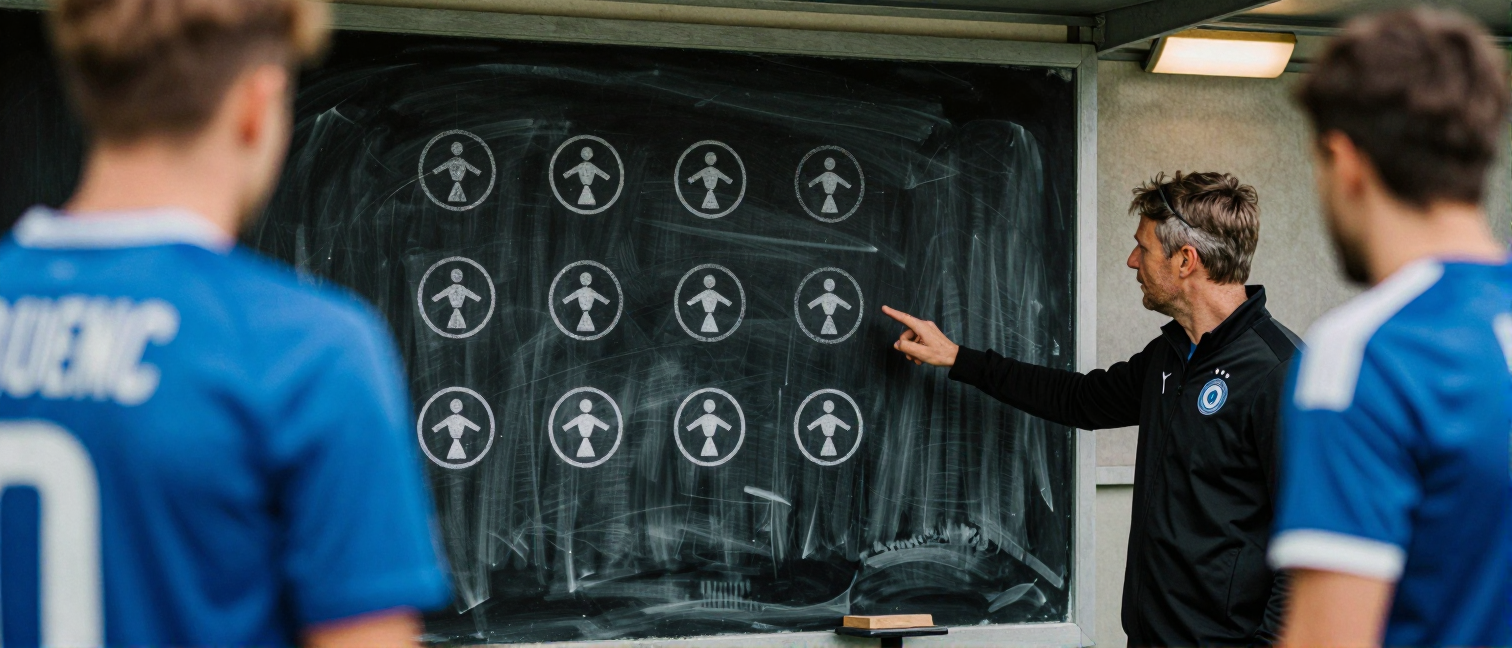
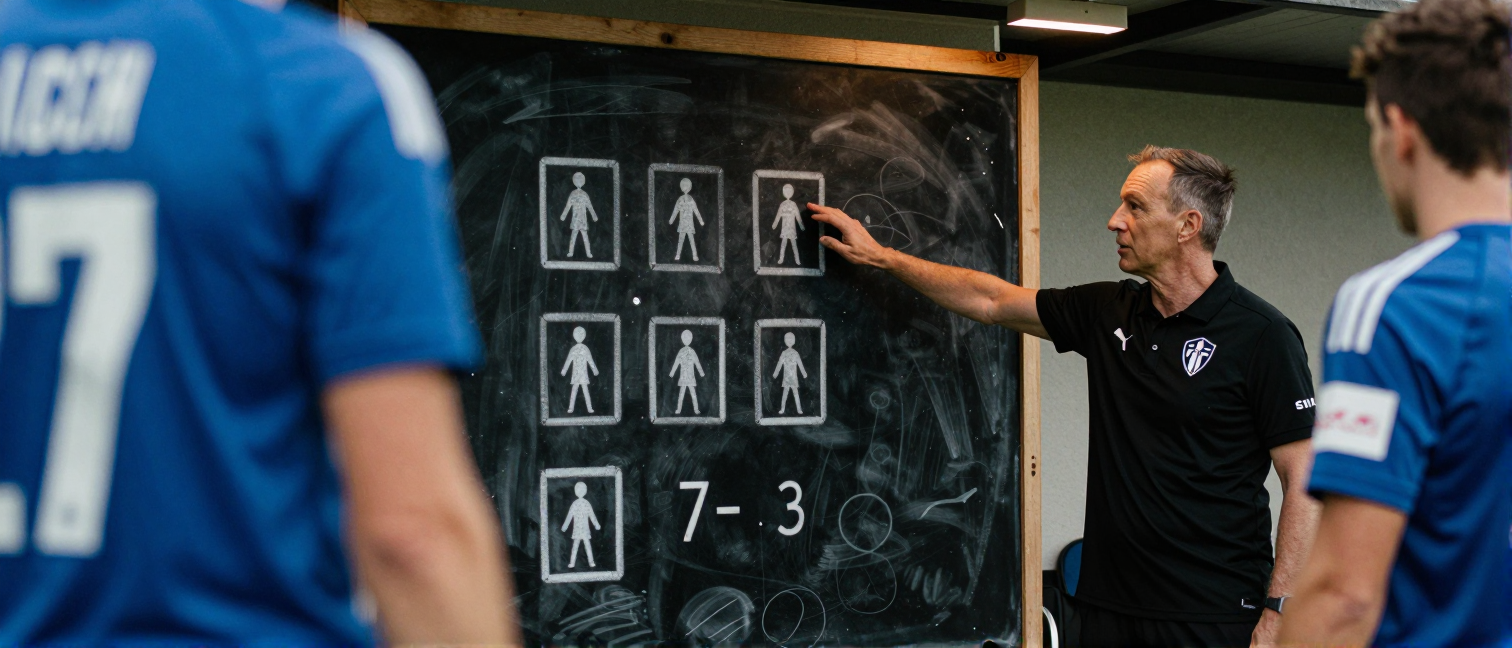
In the early part of the decade, the club was still finding its footing in Germany's top flight after gaining promotion in 1970. Head coach Klaus Schlappner, who took the reins in 1976, became a pivotal figure in this transformation. His arrival ushered in a more dynamic style of play that emphasized ball control and tactical flexibility, a departure from the more rigid systems of previous years.
One of the notable tactics introduced by Schlappner was the implementation of a more fluid attacking formation. This tactical shift allowed players to interchange positions, creating confusion for opposing defenses. The team began to prioritize quick transitions and pressing, which, while not as prevalent in German football at the time, would soon become a hallmark of successful teams.
A key component of this strategy was the development of homegrown talent. Players like Uwe Wegmann and Michael Zorc showcased their abilities in this system, and their versatility allowed them to excel in multiple roles, contributing to a more cohesive unit on the pitch. Their performances not only uplifted the team but also fostered a sense of pride in Bielefeld, as local talent took center stage.
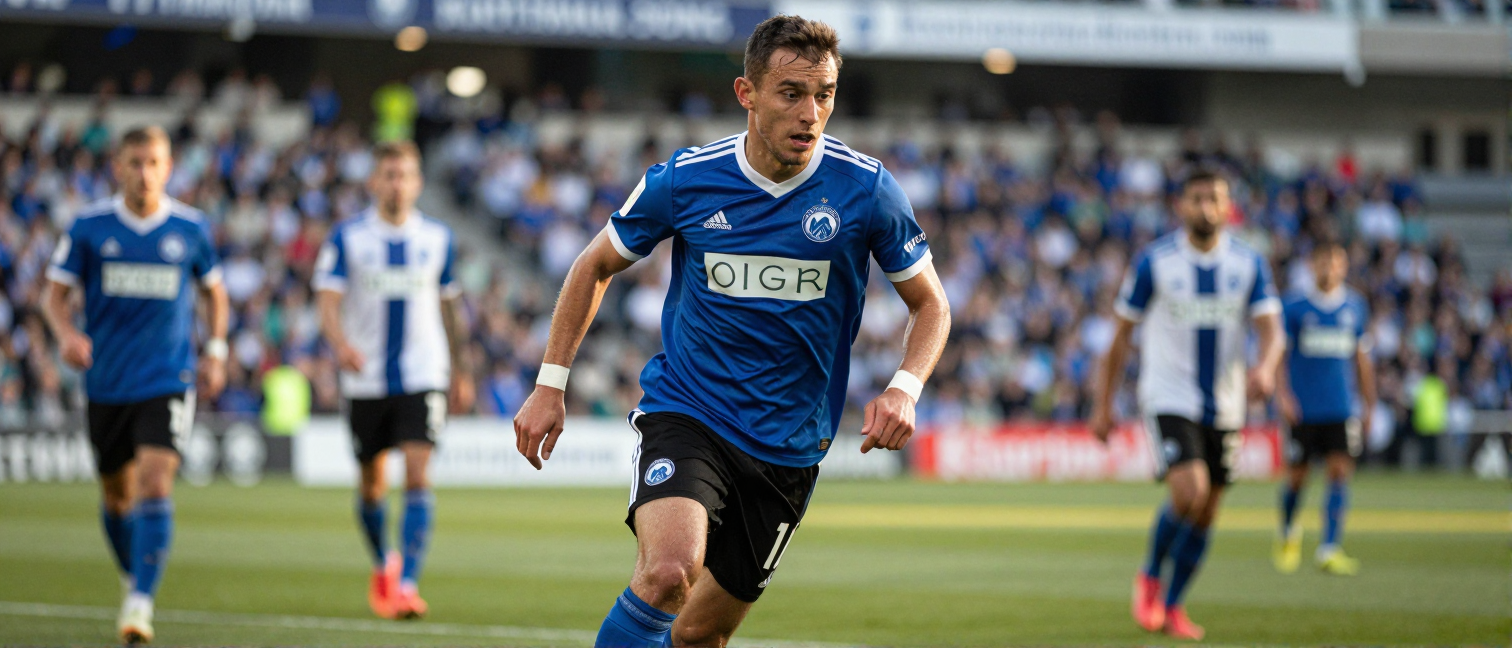
The culmination of these tactical innovations came in the 1978-79 season, when Arminia Bielefeld not only secured their place in the Bundesliga but also began to establish themselves as a formidable opponent. The team’s newfound identity was characterized by an aggressive pressing game combined with quick counterattacks, catching many established teams off guard. This was particularly evident in matches against local rivals, where the intensity of the games was palpable, intensifying the historical rivalry with Preußen Münster.
As the decade progressed, the club’s reputation continued to grow. The tactical foundations laid during the 1970s not only enhanced the team's performance but also attracted attention from larger clubs who recognized the potential within Bielefeld. While the club faced its share of challenges, the resilience demonstrated during this era created a lasting legacy, fostering a culture of adaptability and ambition that would influence future generations.
Looking back, the 1970s were more than just a decade of results; they were a time of significant tactical evolution that reflected the spirit of Die Arminen. It was during these years that the club began to carve its niche in German football, setting the stage for the successes and challenges that would follow in subsequent decades. The innovations introduced by coach Klaus Schlappner and the talented players who embraced his vision are a testament to the enduring strength of Arminia Bielefeld, proving that even in moments of transition, a club can forge its identity and inspire its supporters.