 Arminia Bielefeld Hub
Overview of Recent Form
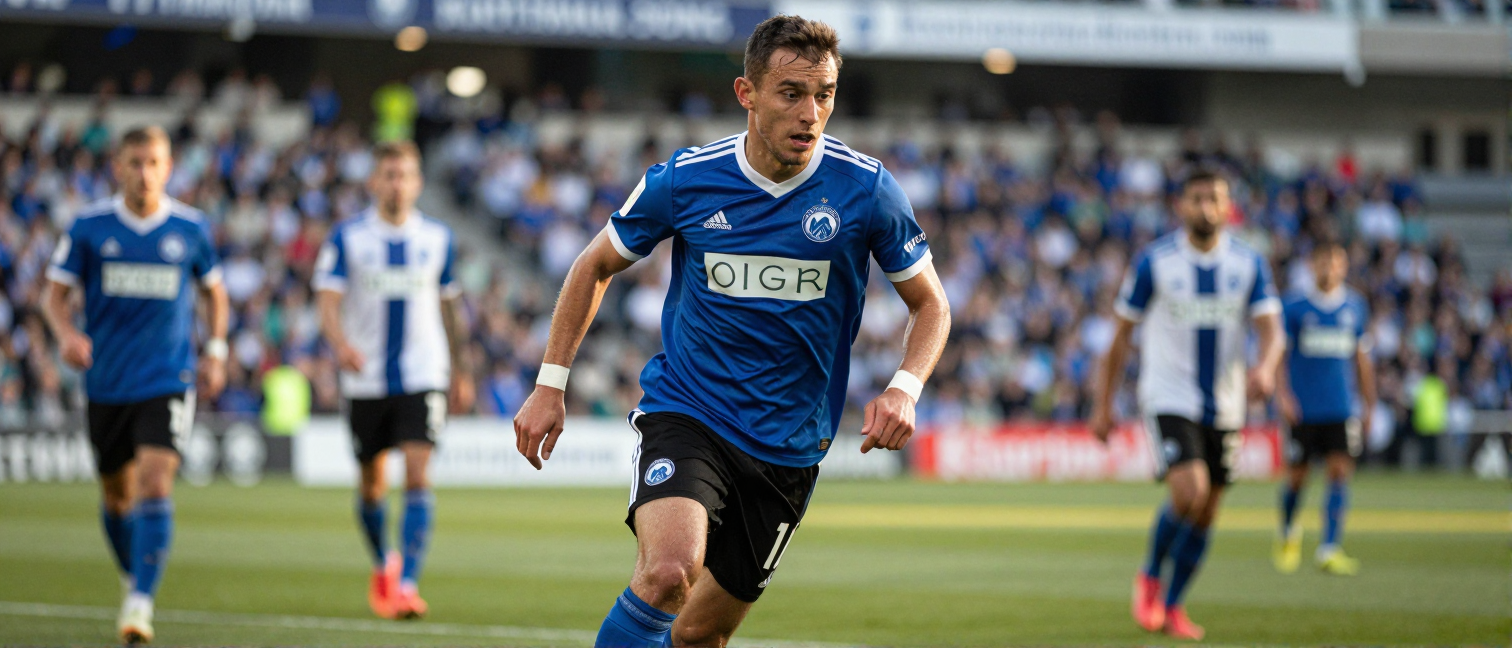
Arminia Bielefeld's recent performances have oscillated between brilliance and mediocrity, resulting in a mixed bag of results that leave fans and analysts alike pondering the team's tactical consistency. The foundation of their play has been characterized by a 4-2-3-1 formation, which has allowed for fluid attacking transitions but has also exposed vulnerabilities, particularly in the defensive phase. While the attacking trio has shown promise in creating goal-scoring opportunities, the midfield has often struggled to maintain control, leading to a lack of cohesion in both defense and attack.
Current Tactical Setup
In their recent matches, Bielefeld has predominantly relied on a high press to regain possession quickly. This strategy initially bore fruit, yielding several chances through forced errors from opposition defenders. However, as the season progressed, opponents have adjusted, often bypassing the press with quick, vertical passes. This has left Bielefeld's defense vulnerable, requiring a re-evaluation of their pressing strategy.
Suggested Tactical Tweaks
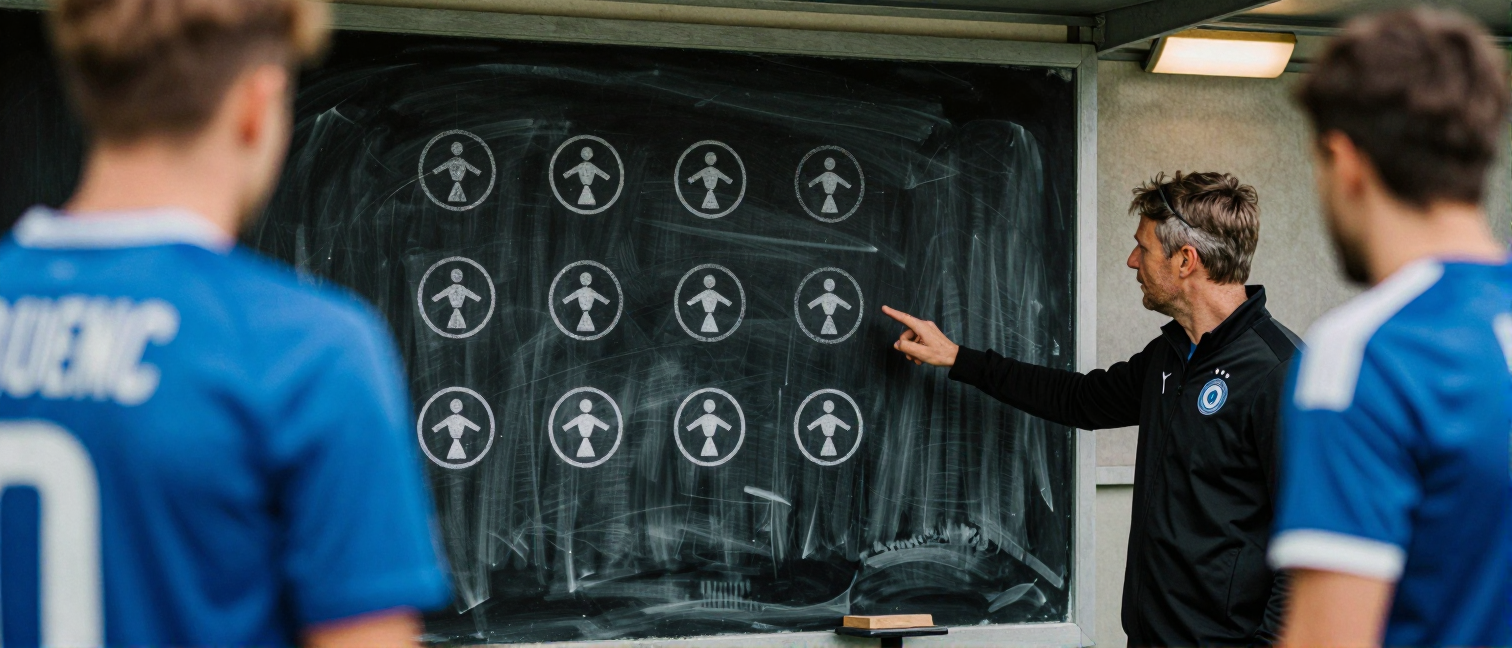
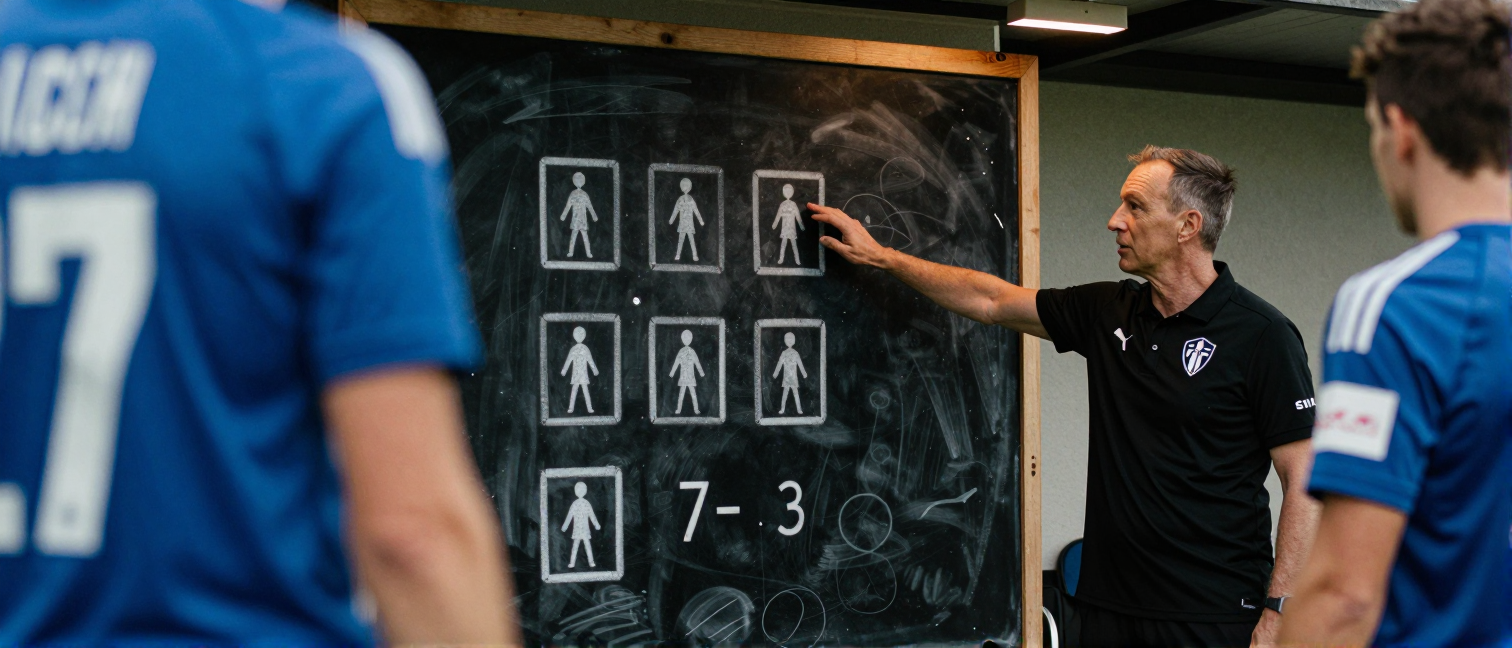
1. Midfield Reinforcement: One of the most pressing needs for Bielefeld is to solidify the midfield. Introducing a more dynamic midfielder, perhaps shifting to a 4-3-3 formation, would allow for greater control in the center of the park. This change can facilitate better ball retention and enable quick transitions, as well as support the full-backs in both offensive and defensive duties.
2. Defensive Organization: Strengthening the defensive organization is crucial. Implementing a double pivot in midfield can provide additional security for the backline, allowing the center-backs to focus on their primary duties without being stretched too thin. This tactical adjustment would also allow the team to engage in pressing phases more effectively, with one midfielder tasked with initiating the press while the other covers defensive gaps.
3. Utilizing Width: Bielefeld should also look to exploit the flanks more effectively. By encouraging the wingers to stay wide and stretch the opposition's defense, the central areas can open up for players making late runs into the box. This approach not only creates goal-scoring opportunities but also minimizes congestion in the midfield, allowing for better passing lanes.
4. Set-Piece Strategy: Another area for improvement lies in set-pieces. Bielefeld has the height and physicality to capitalize on corners and free-kicks, yet they have often failed to convert these situations into clear chances. A more structured approach to set-pieces, incorporating specific roles for players during both defensive and offensive scenarios, could yield significant benefits.
Conclusion
As Arminia Bielefeld looks ahead to their next matches, implementing these tactical tweaks can enhance their performance and restore consistency. By focusing on midfield control, defensive solidity, width in attack, and set-piece effectiveness, Die Arminen can not only improve their league standing but also bolster the confidence of both players and supporters alike. The journey ahead will require adaptability and resilience, but with strategic adjustments, the team can aim for a brighter outcome in the season.