 Arminia Bielefeld Hub
Arminia Bielefeld has encountered a turbulent period in recent matches, characterized by inconsistent performances and a struggle to secure points. This article aims to dissect their current tactical arrangement, highlighting areas that require fine-tuning to foster better results on the pitch.
Current Tactical Setup
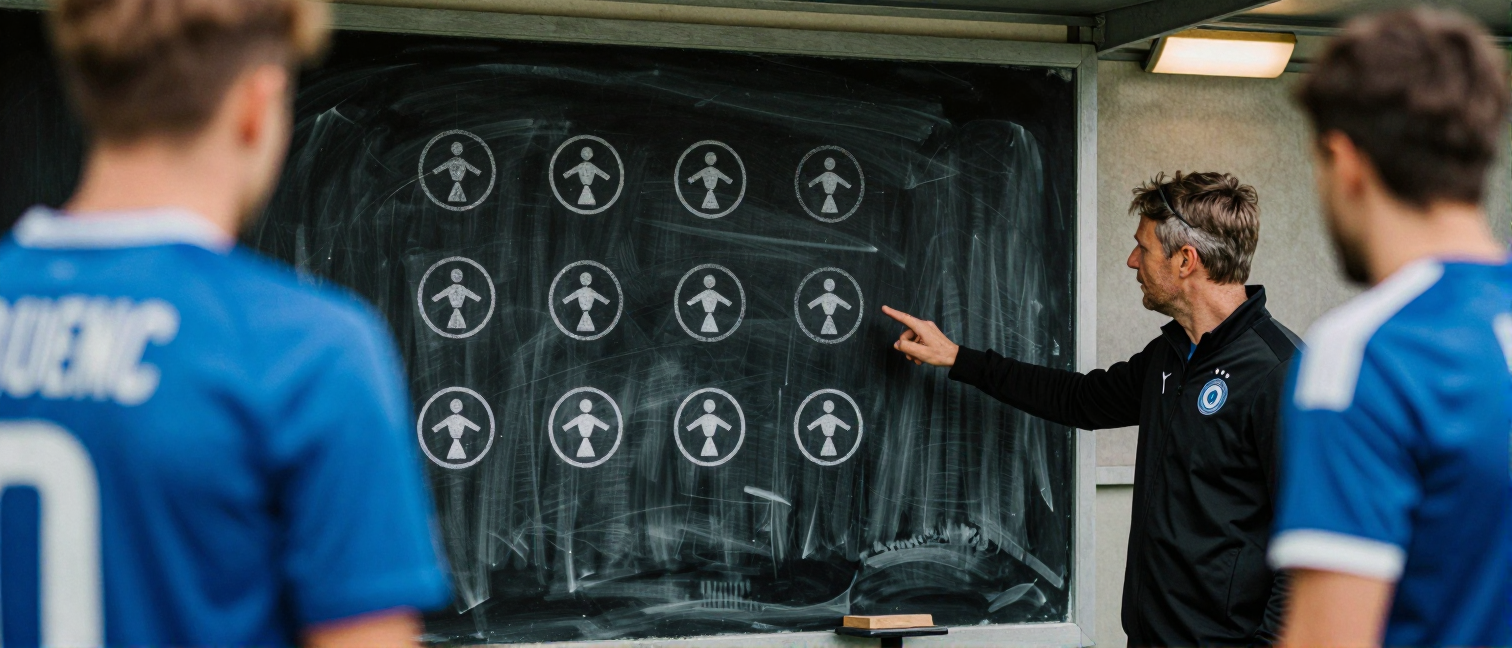
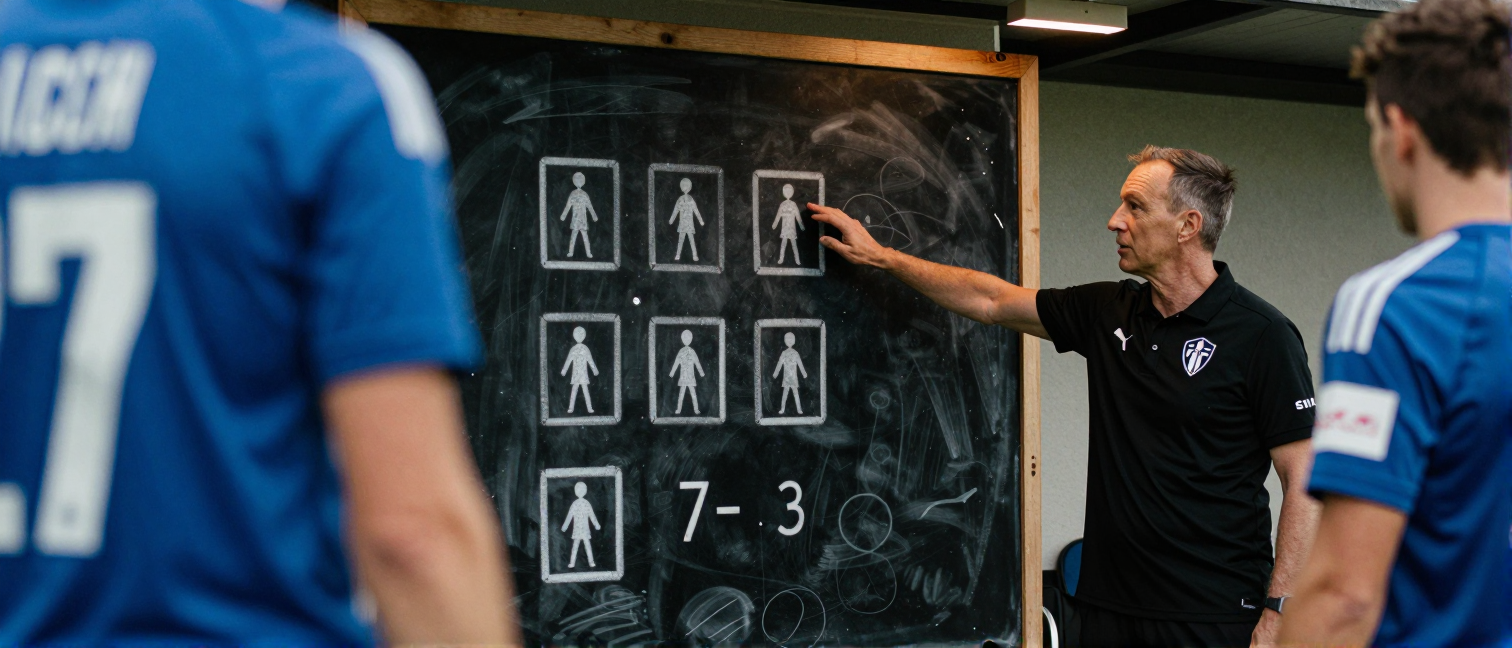
At this stage of the season, Arminia Bielefeld has predominantly utilized a 4-2-3-1 formation, emphasizing a compact midfield and a solid defensive structure. However, the team’s inability to convert chances has been glaring. The attacking trio behind the striker often appears disjointed, leading to a lack of fluidity in their offensive play. This has resulted in a tendency to rely heavily on individual brilliance rather than cohesive team movements.
Suggested Tweaks: Formation and Role Adjustments
One potential tactical tweak could involve transitioning to a 4-3-3 formation. This change would allow for more width, enabling the wingers to stretch opposition defenses while providing support for the lone striker. The introduction of an additional central midfielder can enhance possession control and facilitate quicker transitions from defense to attack.
In this new setup, players like S. Schreck could be tasked with a more dynamic role, pushing forward to link play between defense and the attack. His ability to carry the ball and make incisive passes would be crucial in a more fluid midfield, allowing for better service to the front players.
Enhancing Defensive Solidity
Defensively, while the backline has shown resilience at times, lapses in concentration have cost important points. A suggestion here would be to implement a higher defensive line, aiming to compress the space available for opponents, especially when facing teams that thrive on counter-attacks. This would require the center-backs to have a greater understanding of timing and coordination, ensuring that they can recover quickly if caught out of position.
Set-Piece Strategy
Moreover, Arminia should place greater emphasis on set-pieces, both defensively and offensively. Currently, the team appears to lack a clear plan when it comes to defending corners and free-kicks, often leaving them vulnerable to conceding goals. Conversely, developing a repertoire of attacking set-pieces could provide a vital edge in tight matches. With players like Maximilian Bauer's aerial ability, they could exploit these situations to their advantage.
Fostering Team Chemistry
Ultimately, beyond tactical adjustments, fostering team chemistry will play a pivotal role in Arminia's success. Training sessions should emphasize not just individual skills but also collective movements and understanding on the pitch. Building a strong rapport among players can lead to improved communication during matches, which is essential in executing tactical plans effectively.
Conclusion
As Arminia Bielefeld looks to regain their footing in the league, a reassessment of their tactical approach could prove beneficial. By embracing a more adaptable formation, enhancing their defensive structure, focusing on set-pieces, and building team chemistry, Die Arminen can aspire to improve their recent form and climb the league standings. The upcoming fixtures present an opportunity to implement these adjustments and reignite the passion that the fans expect from their beloved club.